
Arrival & highlands
Planning for a Mount Kinabalu view without overpromising
A property can face Mount Kinabalu and still be unable to guarantee a clear view at a particular hour. Separate room orientation from weather, vegetation and the exact viewing position.

Ask what “mountain view” means
The phrase may describe a view from a particular room, a shared area, the road nearby or the property’s general setting. Ask where the published photograph was taken and whether the booked room category has the same orientation. Request a current image when the view is a major reason for choosing the stay.
A truthful operator should be able to distinguish a physical line of sight from a promise about visibility. Clouds, rain and changing light remain outside the room description.
Compare view value with room fit
Do not trade away the required beds, bathroom arrangement or route comfort for an uncertain view. Score the view after the room passes the practical checklist. A family that sleeps poorly in the wrong layout will not recover that value from one clear morning.
For photographers, ask about safe shared spaces and access times rather than leaning from a window or entering restricted ground. The best viewing decision still respects the property’s rules and other guests.
Use a flexible viewing window
A two-night stay may create more opportunities than a one-night dash, but it is still not a guarantee. Keep camera or phone equipment ready and let the view be a benefit rather than the only purpose of the booking.
If the mountain is hidden, use the time for the other reasons you selected the base: family space, town convenience, rest or a verified visitor activity. This produces a more resilient trip than chasing every forecast change by car.
How to read photographs
Check whether the image is labelled as a room view, property view or area landscape. Wide lenses, elevated positions and old vegetation can affect what the photograph communicates. Archived images are useful historical evidence but should be described as such.
D’Olundus uses real archived property and Kundasang landscape photographs and states that conditions may have changed. The gallery is evidence of the property’s visual history, not a live camera or a guarantee for a particular room.
A better booking question
Instead of asking “Is the mountain visible?”, ask: “Which available room or shared area faces Mount Kinabalu, where was the current photo taken, and is anything likely to obstruct the line of sight?” This produces a checkable room answer while leaving weather uncertainty explicit.
Choose the property only after the complete arrangement works. Then treat any clear Mount Kinabalu view as a valuable, weather-dependent part of the highland stay.
Set a fair expectation for the group
Tell the group that the booking secures an accommodation arrangement, not the weather. This matters when one person has selected the property mainly for photography or when children have been promised a dramatic view. Clear expectations reduce the temptation to drive or enter unsafe spaces in poor conditions.
Prepare a simple alternative such as enjoying the garden, reviewing the next route or visiting a verified indoor destination. Do not frame the alternative as failure. Cloud movement and changing light are part of the highland setting, and a partial view can still be meaningful without matching a promotional photograph.
When sharing images afterward, label where and when they were taken instead of implying that every guest or room receives the same scene. This is the same standard accommodation operators should use: identify the viewing point, preserve current context and avoid converting a weather-dependent possibility into a guarantee.
Editorial conclusion
Choose a view-led room when its orientation is confirmed and the rest of the accommodation arrangement already fits. Do not pay a premium based only on an unlabeled landscape image. The operator can describe the line of sight; only conditions determine what is visible. A truthful expectation protects both guest and property and allows a clear view—when it arrives—to remain a genuine highlight rather than an obligation the weather cannot meet. Record the room or shared viewing point in the confirmation when it materially affects the booking decision.
Sources and method
This guide combines first-party D’Olundus records with the primary sources below. External operating details can change; check the linked source for your travel date.
Continue planning
Related Kundasang stay guides

Arrival & highlands · 7 min read
A practical Kundasang arrival-day plan
Organise navigation, food, check-in and the final approach before the highland journey begins.
Read the guide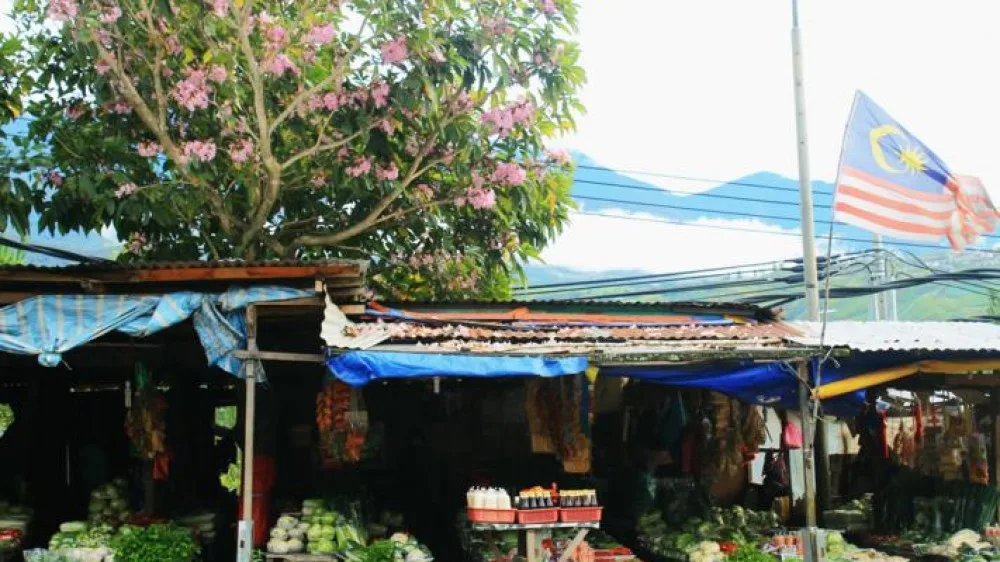
Arrival & highlands · 7 min read
What to pack for a Kundasang stay
A restrained packing list for cool, damp highland conditions without overpacking.
Read the guide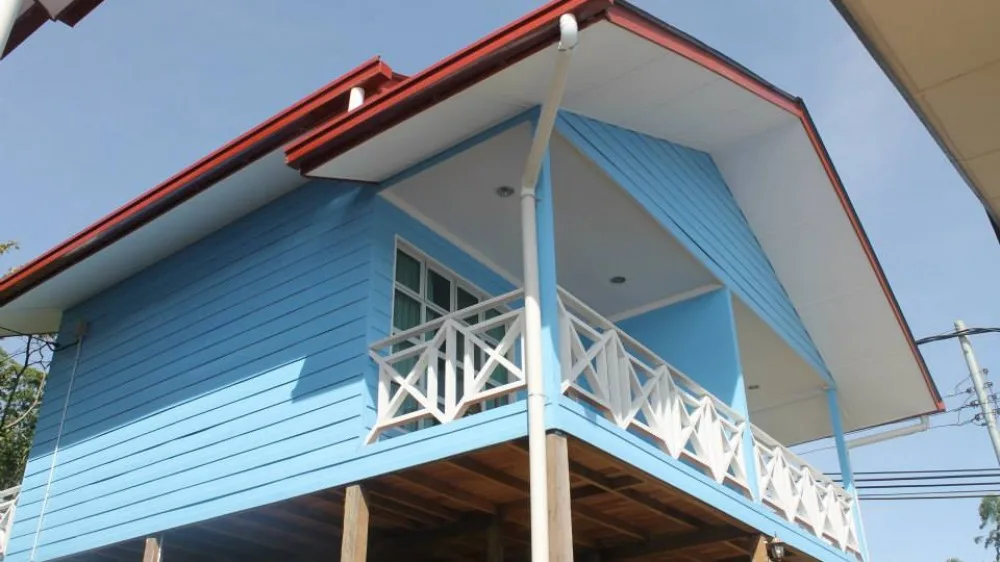
Arrival & highlands · 8 min read
A flexible two-day Kundasang stay plan
A weather-aware outline that keeps accommodation, travel time and official visitor information aligned.
Read the guide