
Choose a stay
Where to stay in Kundasang: choose the right base
The best part of Kundasang to stay in depends less on a generic “best hotel” list and more on what you need to do before breakfast, after dark and on departure morning. Start with location, road comfort and room arrangement, then compare views and extras.
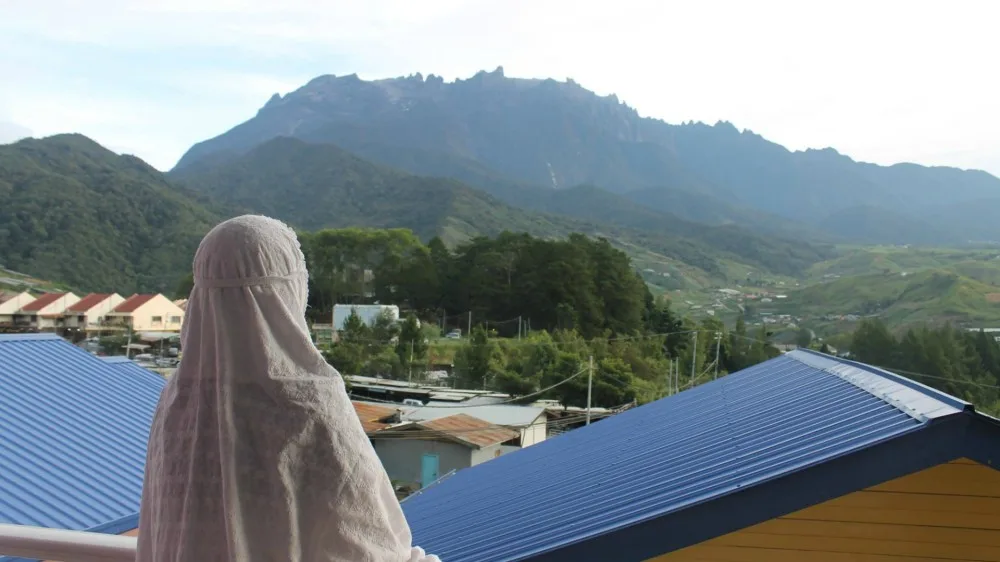
Start with the trip you are actually taking
A couple arriving in daylight for one quiet night has different needs from a family carrying food, luggage and children, or a visitor with a fixed morning entry time at Kinabalu Park. Write down the non-negotiables first: number of beds, whether rooms must connect, latest comfortable arrival time, parking needs and the first destination the next morning.
This avoids a common planning mistake: choosing a dramatic photograph before checking whether the property suits the group. A mountain-facing room can still be the wrong choice if the route is uncomfortable for the driver, meals are difficult to organise, or the sleeping layout requires an arrangement the property does not offer.
Near town, park-side or more secluded
A near-town base is usually the practical choice for travellers who value everyday stops, direct contact with the host and a simpler return after dinner. A park-side base may reduce the morning journey for a Kinabalu Park visit. A more secluded stay may provide a quieter setting, but the trade-off can be additional driving and fewer convenient stops.
These are planning categories, not guarantees about every property. Road conditions, entrances and nearby businesses change. Use a current map, inspect the final approach at the same time of day you expect to arrive, and ask the accommodation to confirm its entrance pin rather than relying on a broad locality label.
A worked family example
Consider two adults and two children travelling from Kota Kinabalu for two nights. Their first priority is not a decorative room name; it is whether one room legally and comfortably fits everyone, or whether connecting rooms are available. Their second priority is a written total that identifies extra bedding, breakfast, deposit and cancellation terms. Their third is an arrival plan that does not depend on finding an unfamiliar entrance late at night.
For that family, a near-town property with confirmed parking and connecting-room availability may be a stronger decision than a remote view-led option. A couple with their own vehicle, light luggage and no fixed schedule may reasonably choose the opposite. The correct answer changes with the job the stay must perform.
Verify claims instead of assuming
Treat live availability, price, room capacity, road access and meal service as changeable facts. Ask for them in writing. For registration research, Malaysia’s Ministry of Tourism, Arts and Culture maintains a public tourist-accommodation search, but a listing is not a substitute for confirming current room and booking details directly.
Photographs should also be dated or described honestly. An archived gallery can show the character of a property, but it cannot prove the present condition of every room. Ask for a current photo when a particular view, bathroom layout or bed arrangement is essential to the decision.
Decision checklist
Choose the area only after you can answer five questions: Where will you go first in the morning? What is the latest sensible arrival time? Which exact bed arrangement does the group need? What must be included in the written price? Which requirement would make you reject the room even if the view is attractive?
D’Olundus is presented on this site as a near-town, family-oriented option with queen, twin and connecting arrangements that must be confirmed for the requested dates. Use the same framework when comparing any Kundasang stay: match the base to the trip, then verify the room and the quote.
A simple comparison worksheet
Create one row for each realistic accommodation option and six columns: location purpose, sleeping arrangement, arrival confidence, meal plan, complete quoted price and evidence date. Fill a cell only when a current page, map or written reply supports it. A blank cell is a question, not permission to assume the most favourable answer. This turns a collection of attractive listings into comparable decisions.
Then mark one rejection condition for the group. It may be “no internal connecting door”, “final road unsuitable for our driver”, “price excludes the required second room” or “arrival cannot be accepted at our time”. Rejecting an option for a real constraint is more useful than giving every property a vague star score.
Finally, review the worksheet with the person who will drive and the person responsible for children or older travellers. They often notice route, luggage and bedtime issues that a single trip planner misses. Keep the selected property’s supporting messages with the booking so the same criteria can be checked at arrival.
Editorial conclusion
The strongest choice is the property whose current evidence answers the group’s most important questions with the fewest unresolved assumptions. A near-town, park-side or secluded setting can each be correct. The useful editorial judgment is to rank room fit and arrival confidence before atmosphere, then treat a view or special feature as an additional benefit. Recheck the changeable facts close to travel and keep the written confirmation available to every adult responsible for the trip.
Sources and method
This guide combines first-party D’Olundus records with the primary sources below. External operating details can change; check the linked source for your travel date.
Continue planning
Related Kundasang stay guides
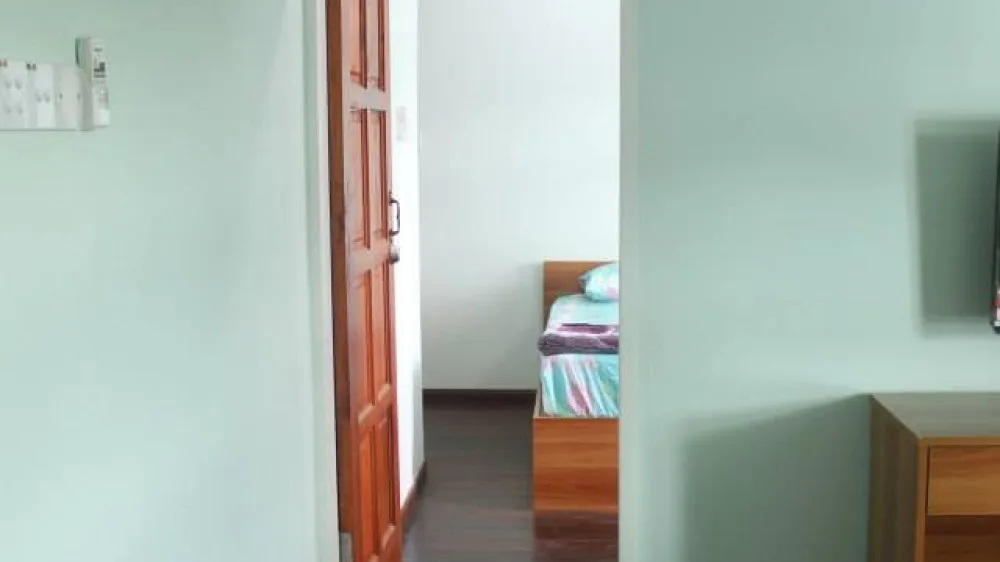
Choose a stay · 7 min read
Kundasang room types for couples and families
How to compare queen, twin and connecting arrangements without relying on room names alone.
Read the guide
Choose a stay · 7 min read
Near town or secluded: which Kundasang stay fits?
Compare convenience, driving, meals and atmosphere before choosing a highland location.
Read the guide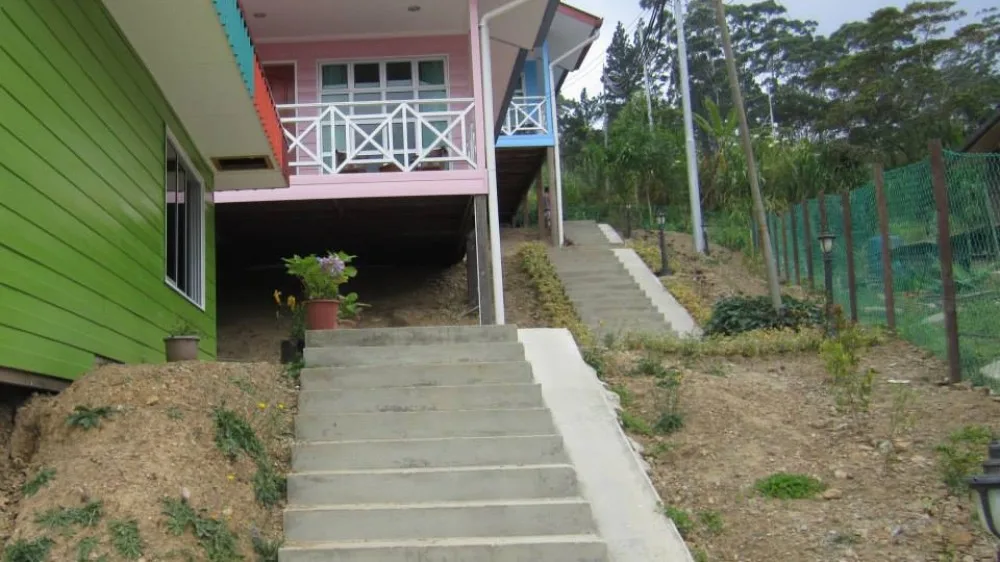
Choose a stay · 8 min read
Accessibility questions to ask before choosing a Kundasang stay
A practical way to check stairs, parking, walking surfaces, bathrooms and room access before booking.
Read the guide